
AI-Powered Visuals at ESNINE: Where Human Craft Meets New Tools
AI-Powered Visuals at ESNINE: Where Human Craft Meets New Tools
AI-Powered Visuals at ESNINE: Where Human Craft Meets New Tools
AI-Powered Visuals at ESNINE: Where Human Craft Meets New Tools
AI Is a Tool, Not a Shortcut
AI video generation is changing how films get made, but at ESNINE Studio we treat it the way we treat every other tool in the kit: it is there to serve the idea, not to replace it. Directors, editors, motion designers, and AI artists work together as one production team, and the creative decisions stay firmly in human hands.
Used well, AI lets brands tell bigger stories with fewer constraints. Used carelessly, it produces visuals that feel generic, or just slightly wrong. The difference between the two comes down to craft.
AI video generation is changing how films get made, but at ESNINE Studio we treat it the way we treat every other tool in the kit: it is there to serve the idea, not to replace it. Directors, editors, motion designers, and AI artists work together as one production team, and the creative decisions stay firmly in human hands.
Used well, AI lets brands tell bigger stories with fewer constraints. Used carelessly, it produces visuals that feel generic, or just slightly wrong. The difference between the two comes down to craft.
What AI Video Generation Does Best
In our production work, AI earns its place when it removes a practical barrier between a strong idea and the screen. These are the situations where it helps most:
Scenes that would need travel, permits, or locations that are hard to reach
Processes that happen inside machines, or at a scale a camera can’t capture
Concept frames and previsualization that help teams approve ideas faster
Seasonal and campaign variations built quickly from one visual direction
Environments and effects that extend footage filmed on set
Have a scene you think is impossible to shoot? Tell us about it and we’ll show you how we would bring it to the screen.
In our production work, AI earns its place when it removes a practical barrier between a strong idea and the screen. These are the situations where it helps most:
Scenes that would need travel, permits, or locations that are hard to reach
Processes that happen inside machines, or at a scale a camera can’t capture
Concept frames and previsualization that help teams approve ideas faster
Seasonal and campaign variations built quickly from one visual direction
Environments and effects that extend footage filmed on set
Have a scene you think is impossible to shoot? Tell us about it and we’ll show you how we would bring it to the screen.
AI in Practice: Darbk’s Tire Film
Our film for Darbk shows what this looks like on a real project. “The Journey of a Tire” follows a heavy-duty truck tire through its whole lifecycle in Saudi Arabia, from raw material and manufacturing to laboratory validation, installation, and highway performance.
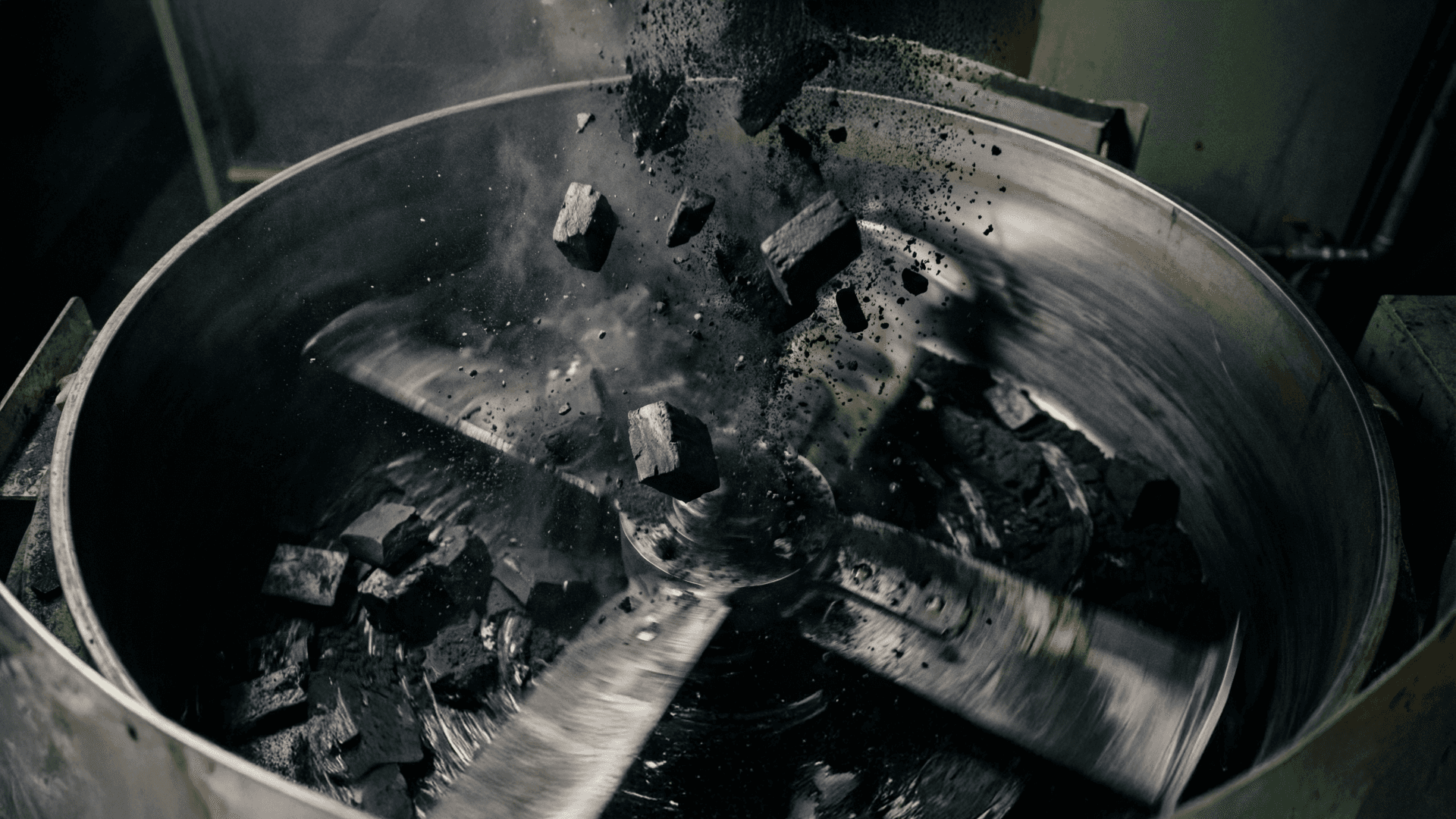
Using advanced AI-driven production tools alongside professional post-production workflows, we transformed limited client inputs into a full, high-end visual narrative. Each scene represents a different stage of the journey, and the film keeps one consistent tire identity from the first frame to the last.
The result is a realistic, modern showcase that reflects Darbk’s strength, precision, and reliability, told at a scale that a conventional shoot would have struggled to reach.
Our film for Darbk shows what this looks like on a real project. “The Journey of a Tire” follows a heavy-duty truck tire through its whole lifecycle in Saudi Arabia, from raw material and manufacturing to laboratory validation, installation, and highway performance.
Using advanced AI-driven production tools alongside professional post-production workflows, we transformed limited client inputs into a full, high-end visual narrative. Each scene represents a different stage of the journey, and the film keeps one consistent tire identity from the first frame to the last.
The result is a realistic, modern showcase that reflects Darbk’s strength, precision, and reliability, told at a scale that a conventional shoot would have struggled to reach.
Consistency Is the Hard Part
Generating one impressive image is easy. Keeping a product, a character, and a visual style consistent across dozens of shots is where most AI video falls apart, and it is where our process does most of its work.
How we keep AI visuals consistent
Lock the visual direction early, with reference frames and a clear style guide
Define the hero subject precisely, so it looks the same in every scene
Generate in sequences rather than isolated shots, and review them in the edit
Unify everything in color grading, so AI scenes and live footage share one look
Generating one impressive image is easy. Keeping a product, a character, and a visual style consistent across dozens of shots is where most AI video falls apart, and it is where our process does most of its work.
How we keep AI visuals consistent
Lock the visual direction early, with reference frames and a clear style guide
Define the hero subject precisely, so it looks the same in every scene
Generate in sequences rather than isolated shots, and review them in the edit
Unify everything in color grading, so AI scenes and live footage share one look
Human Craft Still Makes the Film
AI can generate footage, but it can’t decide what a story needs. Structure, pacing, performance, and emotion still come from people. Our editors decide what stays and what goes, color grading gives every frame a consistent look, and sound design adds the texture that makes an image feel real.
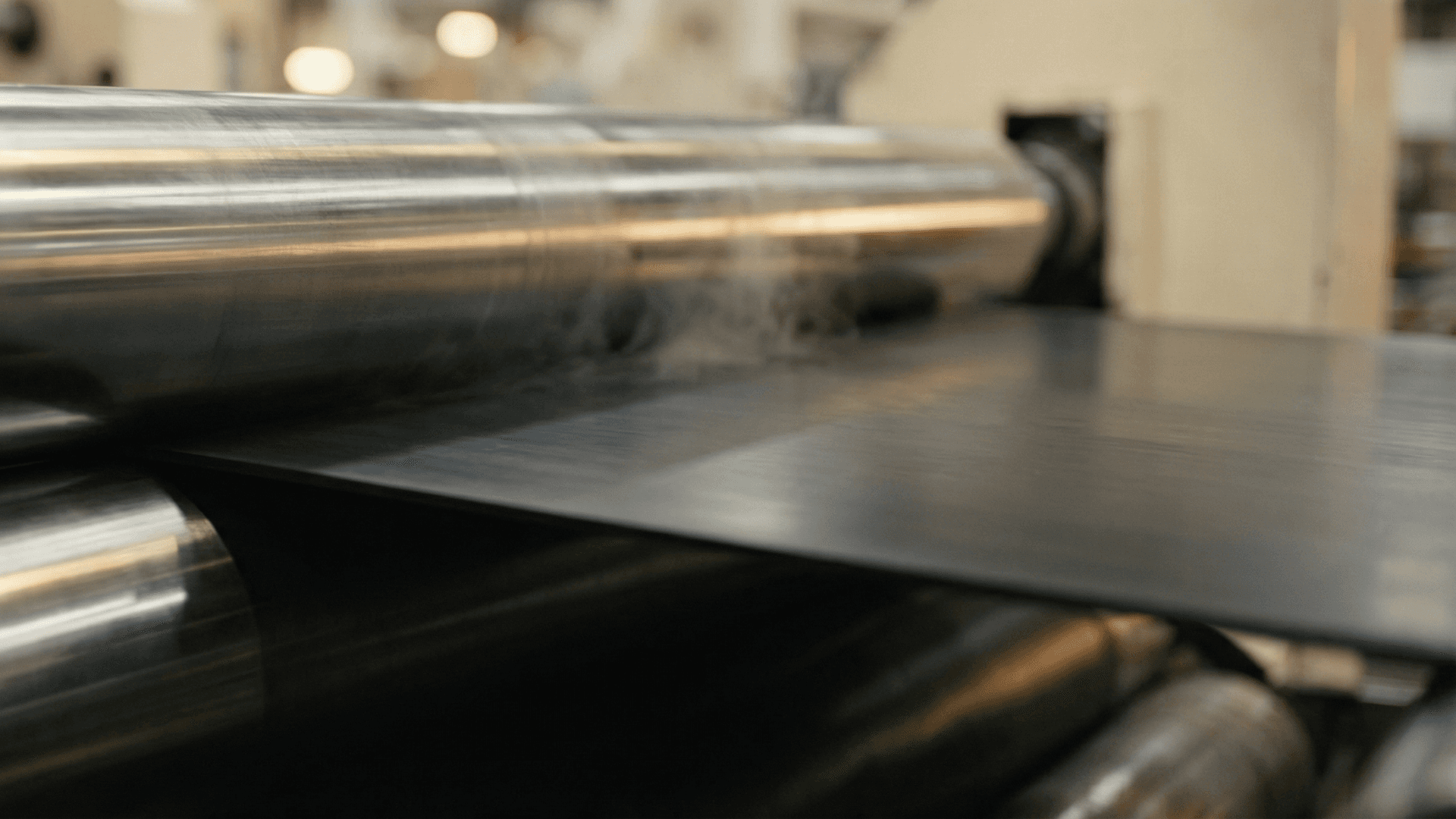
The goal is never to make something that looks like AI. The goal is to make something that looks like your brand.
That is why AI scenes at ESNINE go through the same finishing pipeline as everything else we deliver, and why they sit comfortably next to footage filmed on set.
AI can generate footage, but it can’t decide what a story needs. Structure, pacing, performance, and emotion still come from people. Our editors decide what stays and what goes, color grading gives every frame a consistent look, and sound design adds the texture that makes an image feel real.
The goal is never to make something that looks like AI. The goal is to make something that looks like your brand.
That is why AI scenes at ESNINE go through the same finishing pipeline as everything else we deliver, and why they sit comfortably next to footage filmed on set.
Questions to Ask Before Using AI
If you’re considering AI-powered visuals for your next campaign, these are the questions worth asking any production partner, including us:
Where exactly will AI be used, and what will be filmed for real?
Which brand assets and references will the visuals be built from?
How will products, logos, and people stay accurate from shot to shot?
Who reviews the final frames, and against what standard?
Are the rights and permissions in place for everything that appears on screen?
Clear answers up front make for a smoother production and a film you can publish with confidence.
If you’re considering AI-powered visuals for your next campaign, these are the questions worth asking any production partner, including us:
Where exactly will AI be used, and what will be filmed for real?
Which brand assets and references will the visuals be built from?
How will products, logos, and people stay accurate from shot to shot?
Who reviews the final frames, and against what standard?
Are the rights and permissions in place for everything that appears on screen?
Clear answers up front make for a smoother production and a film you can publish with confidence.
AI in Our Weekly Production Rhythm
AI is now a regular part of how the studio works. Our team creates eight AI videos every week, alongside more than 70 videos a month overall, from brand films to social-first edits, all delivered through the same 360° end-to-end production process.
That mix is the point. AI handles what it does best, our filmmakers capture what only a camera can, and the finished work reads as one consistent brand story.
AI is now a regular part of how the studio works. Our team creates eight AI videos every week, alongside more than 70 videos a month overall, from brand films to social-first edits, all delivered through the same 360° end-to-end production process.
That mix is the point. AI handles what it does best, our filmmakers capture what only a camera can, and the finished work reads as one consistent brand story.
Conclusion
AI-powered visuals are not a replacement for creative direction or production craft. They are a way to remove limits, so a brand can show its full story even when a traditional shoot could not reach it.
Curious whether AI could help tell your brand’s story? Contact ESNINE Studio and we’ll show you what is possible for your next film or campaign. You can also explore our selected work to see how we combine AI tools with traditional production.
AI-powered visuals are not a replacement for creative direction or production craft. They are a way to remove limits, so a brand can show its full story even when a traditional shoot could not reach it.
Curious whether AI could help tell your brand’s story? Contact ESNINE Studio and we’ll show you what is possible for your next film or campaign. You can also explore our selected work to see how we combine AI tools with traditional production.